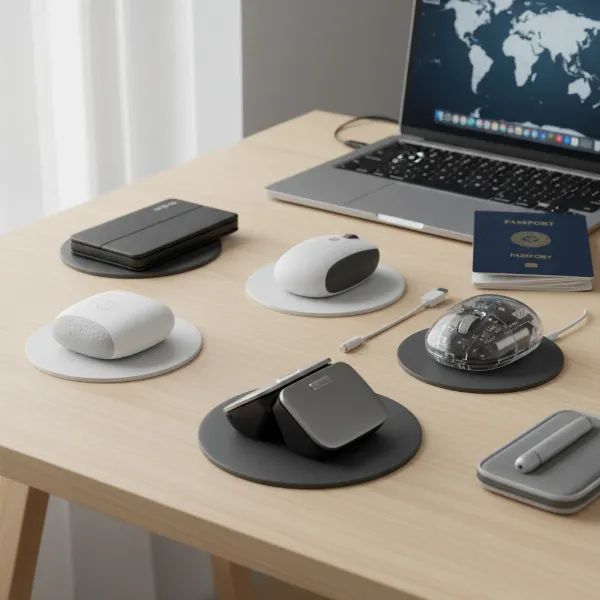
For video editing in 2026, the Logitech MX Master 3S stands out as the premier choice, offering unparalleled precision, extensive customization, and superior ergonomic comfort. Its high-resolution sensor, MagSpeed scroll wheel, and programmable buttons significantly enhance workflow efficiency and control. This mouse delivers the essential features for demanding professional video editors.
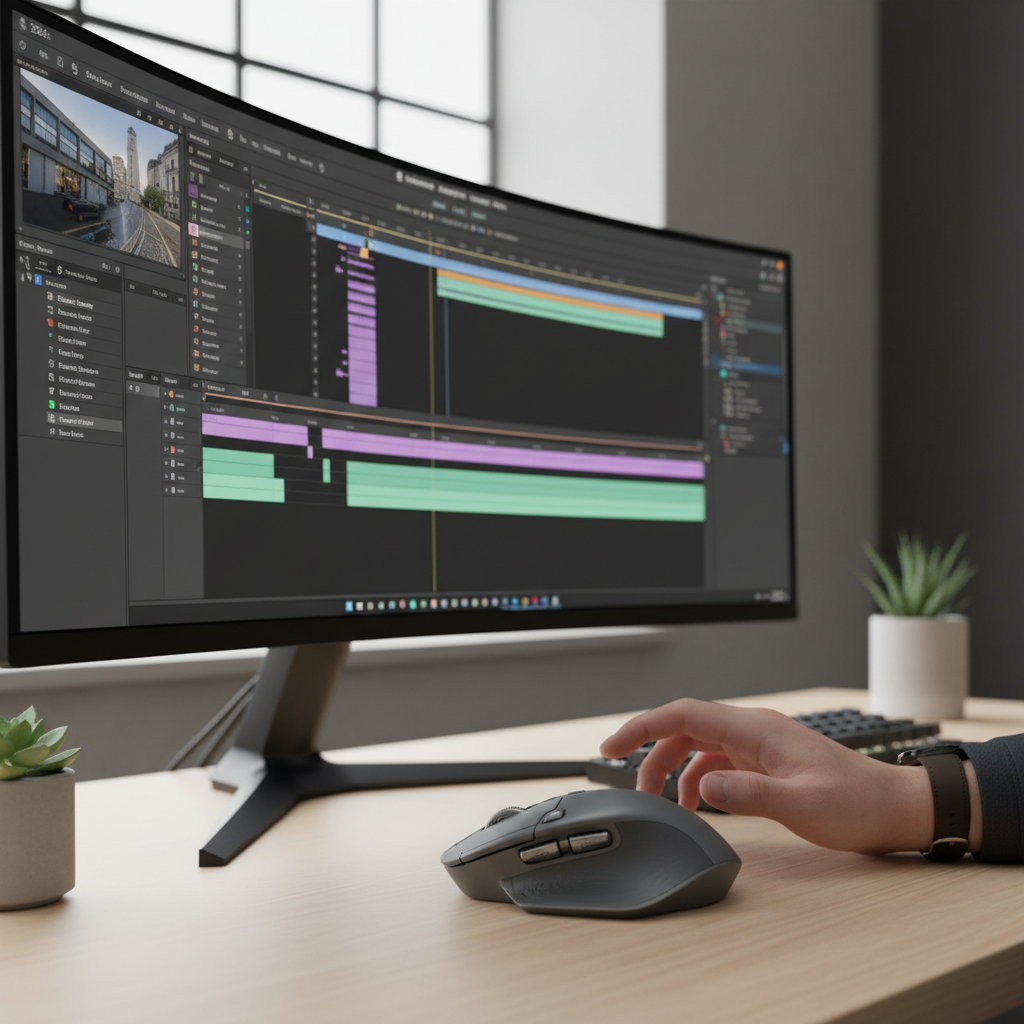
Introduction: Why a Specialized Mouse Matters for Video Editing
Video editing demands more than a standard mouse; it requires a tool engineered for precision, speed, and comfort during long, intensive sessions. A dedicated video editing mouse drastically improves workflow, allowing for accurate timeline scrubbing, precise clip trimming, and seamless tool switching. Investing in the right mouse directly translates to increased productivity and reduced fatigue.
What Essential Features Should a Video Editing Mouse Have in 2026?
Selecting the best mouse for video editing in 2026 hinges on several critical features that directly impact efficiency and comfort. These elements combine to create a seamless, precise editing experience, allowing you to navigate complex timelines and manipulate intricate details with ease.
High Precision Sensor (DPI/CPI)
|
Our Picks for the Best Computer mouse in 2026
As an Amazon Associate I earn from qualifying purchases.
|
||
| Num | Product | Action |
|---|---|---|
| 1 | Logitech M510 Wireless Mouse, 2.4 GHz with USB Unifying Receiver, 1000 DPI Laser-Grade Tracking, 7-Buttons, 24-Months Battery Life, PC/Mac/Laptop - Graphite |

|
| 2 | Wireless Bluetooth Mouse, Rechargeable, LED, Silent, Ultra-thin Design (Bluetooth 5.2 and 2.4GHz USB Receiver) | Portable Computer Mouse for Laptops, iPads, MacBooks and Apple Devices (Black) |
|
| 3 | Redragon M997 Magnesium Alloy Wireless Gaming Mouse, Tri-Mode BT & 2.4GHz, Ultra Lightweight Ergonomic Mouse, 1000Hz, Rechargeable for PC Laptop, Starlight Black |
|
| 4 | Logitech MX Master 4, Ergonomic Wireless Mouse with Advanced Performance Haptic Feedback, Ultra-Fast Scrolling, USB-C Charging, Bluetooth, Windows, MacOS - Graphite |
|
| 5 | Amazon Basics 3-Button USB Wired Mouse with Responsive Tracking, Plug & Play, Compatible with Windows and Mac, Black |
|
| 6 | Amazon Basics 2.4 Ghz Wireless Optical Computer Mouse with USB Nano Receiver, Black |
|
| 7 | acer Wireless Mouse for Laptop, 2.4GHz Computer Mouse 3 Adjustable DPI Office Cordless USB Mice with USBA Receiver, 6 Buttons, 1600 DPI, Medium to Large Sized Hands Compatible with PC, Laptop, Desktop |
|
| 8 | TECKNET Ergonomic Mouse, Wireless Vertical Mouse, 4800 DPI, Rechargeable Bluetooth Mice for Carpal Tunnel Right Hand, 3-Device Connectivity for Laptop, PC, MacBook, Black |
|
| 9 | Logitech B100 Wired Mouse for Computer and Laptop, USB Corded Mouse, Right or Left Hand Use - Black |
|
| 10 | Logitech M185 Wireless Mouse, 2.4GHz with USB Mini Receiver, 12-Month Battery Life, 1000 DPI Optical Tracking, Ambidextrous PC/Mac/Laptop - Swift Grey |
|
A high-resolution sensor is paramount. Look for mice offering at least 4000 DPI (Dots Per Inch) or CPI (Counts Per Inch). Modern sensors, like Logitech’s Darkfield or Razer’s Focus Pro, provide exceptional accuracy on various surfaces, including glass. Higher DPI settings allow for finer cursor movements, crucial for pixel-perfect adjustments in your editing software’s timeline and interface.
Programmable Buttons and Gestures
Customization is key. A mouse with multiple programmable buttons, including side buttons and a thumb wheel, transforms your workflow. Assign frequently used shortcuts like cut, copy, paste, zoom in/out, or undo/redo directly to these buttons. Advanced mice often include gesture controls, enabling contextual actions by holding a button and moving the mouse, further streamlining common tasks.
Ergonomic Design and Comfort
Video editors spend hours at their desks, making ergonomics non-negotiable. Choose a mouse that fits your hand size and grip style (palm, claw, fingertip). A well-designed ergonomic mouse reduces strain on your wrist and hand, preventing discomfort and repetitive strain injuries (RSIs). Consider factors like weight distribution, material texture, and overall shape for sustained comfort.
Advanced Scroll Wheel
The scroll wheel is a primary interface for timeline navigation. An ideal video editing mouse features a scroll wheel with both vertical and horizontal scrolling capabilities. Logitech’s MagSpeed electromagnetic scroll wheel, for example, offers incredible precision for frame-by-frame scrubbing and rapid, smooth scrolling through long timelines, switching between modes effortlessly.
Wireless Performance and Battery Life
Untethered operation provides freedom of movement and reduces desk clutter. Modern wireless mice utilize low-latency 2.4GHz USB receivers or robust Bluetooth connections, ensuring responsive, lag-free performance. Look for a device with long battery life, ideally several weeks or months on a single charge, and convenient USB-C recharging to minimize interruptions.
Which Top Computer Mice Excel for Video Editing Professionals?
Several mice consistently receive high marks from professional video editors due to their specialized features, precision, and ergonomic design. Here are the leading contenders for 2026:
Logitech MX Master 3S: The Industry Benchmark
The Logitech MX Master 3S remains the gold standard for creative professionals. It features an 8000 DPI Darkfield sensor, tracking on virtually any surface, including glass. Its standout feature is the MagSpeed electromagnetic scroll wheel, offering two modes: hyper-fast free spin for rapid timeline navigation and precise, click-by-click scrolling for fine adjustments. The ergonomic design provides superior comfort, while its seven customizable buttons and thumb wheel can be programmed for application-specific shortcuts. The MX Master 3S boasts up to 70 days of battery life on a full charge and quick charging via USB-C. Its quiet clicks are an added benefit for a focused workspace.
Razer Pro Click V2: Gaming Precision Meets Professional Demands
Razer, renowned for gaming peripherals, offers the Pro Click V2, a formidable option for video editing. It combines an ergonomic design, developed in collaboration with Human Factors and Ergonomics specialists, with Razer’s high-performance technology. The Focus+ Optical Sensor offers up to 26,000 DPI, ensuring extreme precision. It features 8 programmable buttons and a tilt-click scroll wheel for horizontal scrolling. With up to 400 hours of battery life via Bluetooth or 200 hours via 2.4GHz wireless, it’s built for extended use. Its robust build quality ensures durability for demanding workflows.
Logitech MX Vertical: Ergonomic Excellence
For editors prioritizing wrist health above all else, the Logitech MX Vertical is an excellent choice. Its unique 57-degree vertical angle reduces forearm pronation, promoting a more natural handshake posture. While it has fewer programmable buttons than the MX Master series, its 4000 DPI high-precision sensor and comfortable design make it suitable for long editing sessions. It supports Logitech Flow for seamless multi-computer control and offers up to four months of battery life. This mouse is ideal for users experiencing or wanting to prevent wrist strain.
Apple Magic Mouse 2: Aesthetic and Gesture-Driven (with caveats)
The Apple Magic Mouse 2 offers a sleek, minimalist design and multi-touch surface gestures that integrate seamlessly with macOS. Its ability to swipe, scroll, and zoom using finger gestures can be intuitive for some editors. However, its low profile and charging port placement on the bottom can be ergonomically challenging for extended use, and its precision sensor is not on par with dedicated professional mice. It’s best suited for casual editing or users deeply entrenched in the Apple ecosystem who prioritize aesthetics and macOS native gestures.
Comparison Table: Key Features of Top Video Editing Mice
| Feature | Logitech MX Master 3S | Razer Pro Click V2 | Logitech MX Vertical | Apple Magic Mouse 2 |
|---|---|---|---|---|
| Sensor DPI/CPI | 8000 DPI Darkfield | 26,000 DPI Focus+ Optical | 4000 DPI Optical | 1300 DPI (approx.) Laser |
| Programmable Buttons | 7 (including thumb wheel) | 8 | 4 | Multi-touch gestures |
| Scroll Wheel | MagSpeed (Hyper-fast & Precision) + Thumb Wheel | Tilt-click (Vertical & Horizontal) | Precision scroll | Multi-touch surface |
| Ergonomics | Right-hand contoured | Right-hand contoured | 57° Vertical angle | Flat, ambidextrous |
| Connectivity | 2.4GHz USB-C, Bluetooth | 2.4GHz USB-A, Bluetooth | 2.4GHz USB-A, Bluetooth | Bluetooth |
| Battery Life | Up to 70 days (USB-C) | Up to 400 hours (Bluetooth) | Up to 4 months (USB-C) | Up to 1 month (Lightning) |
| Special Features | Logi Options+, Flow, Quiet Clicks | Razer Synapse 3, Multi-host | Logi Options+, Flow | macOS gestures |
How to Optimize Your Mouse Settings for Video Editing Software
Maximizing your mouse’s potential for video editing involves more than just hardware; it’s about intelligent software configuration. Here’s how to fine-tune your settings:
- Utilize Application-Specific Profiles: Most advanced mice (e.g., Logitech Options+, Razer Synapse) allow you to create custom button assignments and sensitivity settings that automatically activate when you open specific editing software like Adobe Premiere Pro, DaVinci Resolve, or Final Cut Pro.
- Map Essential Shortcuts: Identify your most frequently used commands (e.g., Razor Tool, Selection Tool, Zoom In/Out, Undo, Redo, Mark In/Out) and assign them to your mouse’s programmable buttons. This drastically reduces reliance on keyboard shortcuts.
- Calibrate DPI/CPI: Experiment with different DPI settings to find the sweet spot for your monitor resolution and editing style. Higher DPI offers faster cursor movement across large screens, while lower DPI provides finer control for precise tasks.
- Configure Scroll Wheel Behavior: Adjust scroll speed and acceleration. For timelines, a fast scroll is beneficial for navigating large projects, but ensure you can switch to a precise, step-by-step scroll for accurate frame-by-frame adjustments.
- Enable Horizontal Scrolling: If your mouse has a thumb wheel or tilt-click scroll, ensure it’s configured for horizontal timeline scrubbing. This is a game-changer for navigating complex sequences.
- Practice Gesture Controls: If your mouse supports gestures (e.g., MX Master series), learn and integrate them into your workflow for quick actions like switching applications or opening specific tools.
- Maintain Software Updates: Keep your mouse’s driver and customization software updated to benefit from performance improvements, new features, and bug fixes.
Frequently Asked Questions
Is a gaming mouse suitable for video editing?
While gaming mice offer high precision and programmable buttons, their ergonomics are often designed for competitive gaming, not long-term comfort in a professional creative environment. They might lack features like horizontal scrolling or specialized ergonomic shapes found in mice optimized for productivity. However, some high-end gaming mice with excellent sensors and multiple buttons can be adapted.
How important is DPI for video editing?
DPI (Dots Per Inch) is very important for video editing. A higher DPI allows for more precise and granular control of the cursor, which is crucial for tasks like frame-by-frame editing, fine-tuning transitions, and selecting small elements on a high-resolution display. Aim for at least 4000 DPI, with many professional mice offering 8000 DPI or more for ultimate precision.
Can I use a trackball mouse for video editing?
Yes, some video editors prefer trackball mice for their stationary nature, which can reduce wrist movement and desk space requirements. Trackballs like the Logitech MX Ergo offer excellent precision and programmable buttons. However, they have a steeper learning curve and may not provide the same speed or intuitive feel for timeline scrubbing as a traditional scroll wheel mouse.
What’s the difference between optical and laser sensors in 2026?
In 2026, the distinction between “optical” and “laser” is less critical than the overall quality of the sensor. Most high-performance mice, including those using Logitech’s Darkfield or Razer’s Focus Pro, are technically advanced optical sensors. Modern optical sensors offer superior tracking on a wider variety of surfaces, including glass, and generally provide more consistent performance than older laser sensor technologies.
Should I choose a wired or wireless mouse for video editing?
For video editing, a high-quality wireless mouse is generally preferred in 2026. Modern wireless technology (2.4GHz via USB dongle) offers virtually no perceptible lag, matching or exceeding wired performance. The freedom from cables improves desk aesthetics and reduces clutter. Ensure the wireless mouse has excellent battery life and reliable connectivity.
Conclusion
Selecting the right computer mouse is a pivotal decision for any video editor aiming for peak efficiency and comfort. The Logitech MX Master 3S stands as the definitive choice, delivering a balanced blend of precision, customization, and ergonomic support essential for demanding creative workflows. By investing in a mouse that meets these specialized requirements, you empower yourself with enhanced control, reducing fatigue and significantly improving your productivity in the editing suite.