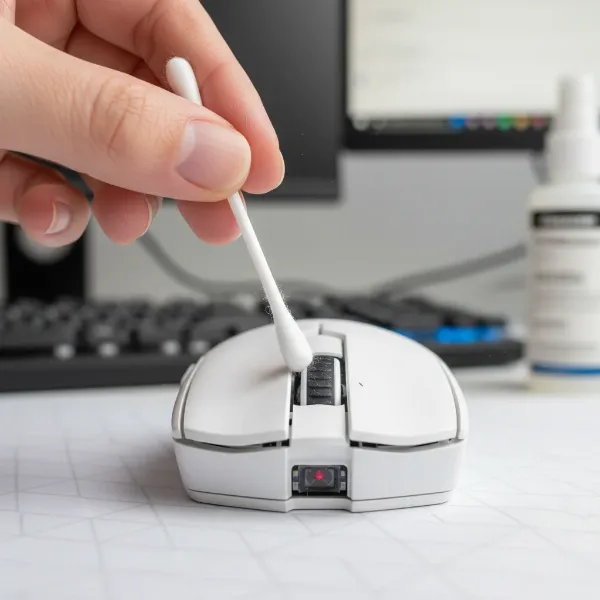
Yes, mouse skates and pads significantly improve mouse performance. They reduce friction, enhance tracking accuracy, and boost overall control, directly impacting speed, precision, and comfort for any user. This optimization is crucial for competitive gaming, professional productivity, and general daily use, making them essential components of a high-performing setup.
Introduction: Elevate Your Mouse Performance in 2026
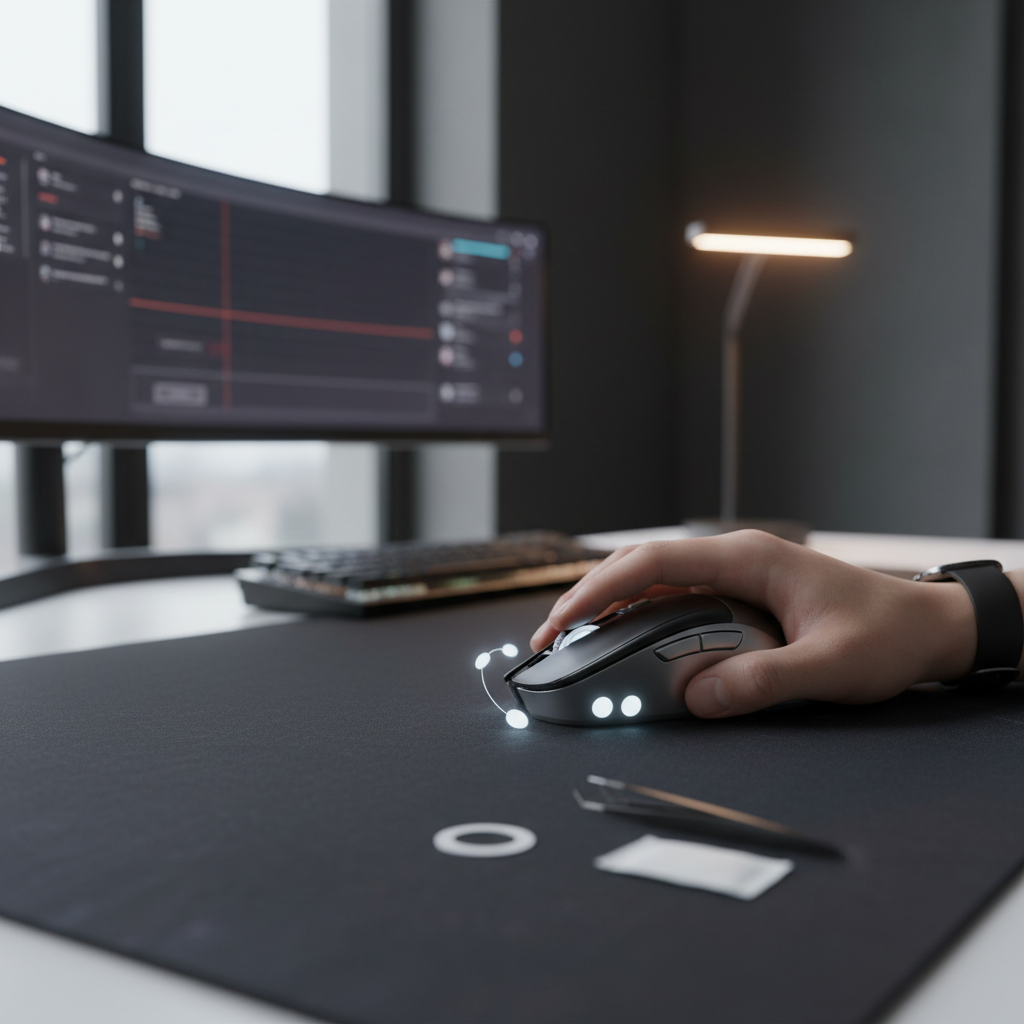
Your computer mouse is a direct extension of your intent on screen. Achieving optimal performance means scrutinizing every component, especially the often-overlooked mouse skates and pads. These elements dramatically influence glide, precision, and comfort, transforming your interaction with the digital world.
What are Mouse Skates and Pads, and Why Do They Matter for Performance in 2026?
Mouse skates, also known as mouse feet or glides, are small, low-friction pads attached to the underside of your mouse. They allow the mouse to slide smoothly across a surface. Mouse pads, on the other hand, are specialized surfaces designed to provide an optimal tracking environment for your mouse’s sensor. In 2026, with the prevalence of high-DPI sensors, lightweight mice, and demanding applications, the synergy between quality skates and pads is more critical than ever. They reduce the physical effort required for movement, minimize sensor inconsistencies, and prevent premature wear on your mouse’s base.
The Foundational Role of Friction Reduction
|
Our Picks for the Best Computer mouse in 2026
As an Amazon Associate I earn from qualifying purchases.
|
||
| Num | Product | Action |
|---|---|---|
| 1 | Logitech M185 Wireless Mouse, 2.4GHz with USB Mini Receiver, 12-Month Battery Life, 1000 DPI Optical Tracking, Ambidextrous PC/Mac/Laptop - Swift Grey |

|
| 2 | Amazon Basics 3-Button USB Wired Mouse with Responsive Tracking, Plug & Play, Compatible with Windows and Mac, Black |
|
| 3 | Wireless Bluetooth Mouse, Rechargeable, LED, Silent, Ultra-thin Design (Bluetooth 5.2 and 2.4GHz USB Receiver) | Portable Computer Mouse for Laptops, iPads, MacBooks and Apple Devices (Black) |
|
| 4 | TECKNET Ergonomic Mouse, Wireless Vertical Mouse, 4800 DPI, Rechargeable Bluetooth Mice for Carpal Tunnel Right Hand, 3-Device Connectivity for Laptop, PC, MacBook, Black |
|
| 5 | Logitech M510 Wireless Mouse, 2.4 GHz with USB Unifying Receiver, 1000 DPI Laser-Grade Tracking, 7-Buttons, 24-Months Battery Life, PC/Mac/Laptop - Graphite |
|
| 6 | Logitech MX Master 4, Ergonomic Wireless Mouse with Advanced Performance Haptic Feedback, Ultra-Fast Scrolling, USB-C Charging, Bluetooth, Windows, MacOS - Graphite |
|
| 7 | Redragon M997 Magnesium Alloy Wireless Gaming Mouse, Tri-Mode BT & 2.4GHz, Ultra Lightweight Ergonomic Mouse, 1000Hz, Rechargeable for PC Laptop, Starlight Black |
|
| 8 | Amazon Basics 2.4 Ghz Wireless Optical Computer Mouse with USB Nano Receiver, Black |
|
| 9 | Logitech B100 Wired Mouse for Computer and Laptop, USB Corded Mouse, Right or Left Hand Use - Black |
|
| 10 | acer Wireless Mouse for Laptop, 2.4GHz Computer Mouse 3 Adjustable DPI Office Cordless USB Mice with USBA Receiver, 6 Buttons, 1600 DPI, Medium to Large Sized Hands Compatible with PC, Laptop, Desktop |
|
The primary function of mouse skates is to reduce friction between the mouse and the pad. Lower friction translates directly to smoother, more effortless movements. This is not just about speed; it’s about control. When friction is consistent and minimal, your muscle memory develops more accurately. In competitive gaming, where milliseconds matter, this translates to faster reaction times and more precise aim. For professional work like graphic design or CAD, reduced friction means less fatigue during long sessions and finer control over minute cursor movements. Modern high-polling rate mice (up to 8000 Hz) benefit immensely from consistent glide, as any micro-stutter or inconsistent drag can disrupt sensor data.
Enhancing Sensor Tracking and Longevity
A quality mouse pad provides a uniform surface texture, crucial for optical and laser sensors to track accurately. Inconsistent surfaces can cause “jitter” or tracking skips, especially at high speeds or low DPI settings. Paired with smooth skates, the sensor receives clear, consistent data, leading to superior responsiveness. Furthermore, using proper skates and pads protects the mouse’s base from abrasive contact with your desk, extending its lifespan. Cheaper, stock mouse feet often wear down quickly, leading to uneven glide and degraded performance. Aftermarket solutions are engineered for durability and consistent performance over hundreds of hours of use.
How Do Mouse Skates Enhance Precision and Speed for Serious Users?
The material, shape, and thickness of mouse skates directly dictate the feel and performance. Serious users, from esports professionals to power users, understand these nuances.
Material Science of Mouse Skates
- PTFE (Polytetrafluoroethylene): Often referred to by its brand name, Teflon, PTFE is the gold standard for mouse skates.
- Virgin PTFE: Offers the purest, lowest friction glide. Brands like Corepad and Pulsar use high-grade virgin PTFE, known for its consistent glide and durability.
- Treated PTFE: Some manufacturers use treated PTFE for specific glide characteristics, sometimes sacrificing a fraction of slickness for increased control.
- Glass Skates: A newer, increasingly popular option. Brands like Superglides (by Pulsar) and Obsidian Skates offer tempered glass feet.
- Pros: Extremely low initial friction, very fast glide, exceptional durability (they don’t wear down like PTFE). They provide a unique, “ice-like” feel.
- Cons: Can be noisy on certain pad surfaces, offer less stopping power compared to PTFE, and are more expensive. They also demand a very clean pad surface to maintain performance.
- Ceramic Skates: Less common, ceramic skates offer durability and a smooth glide, but typically fall between PTFE and glass in terms of speed and control.
Shape, Thickness, and Edge Rounding
The physical design of the skate is as important as its material. Aftermarket skates often feature superior design:
- Edge Rounding: Properly rounded edges prevent the skate from digging into the mouse pad, ensuring a smooth, snag-free glide. Poorly finished edges on stock skates can cause scratchiness.
- Thickness: Thicker skates (typically 0.7mm to 0.8mm) provide a slightly higher lift-off distance (LOD) and can be more durable. They also elevate the mouse slightly, preventing the mouse’s plastic base from dragging on the pad, especially after prolonged use or when using very soft pads that compress.
- Coverage: Full-coverage skates often offer a more consistent glide than small, individual dots, especially for larger mice like the Logitech G502X or Razer Basilisk V3 Pro.
For mice like the popular Logitech G Pro X Superlight 2 or the Razer Viper V3 Pro, upgrading to aftermarket PTFE or glass skates from brands like Corepad, Pulsar, or Lethal Gaming Gear can noticeably reduce static friction by up to 30-40% and improve dynamic glide consistency. This translates to quicker micro-adjustments and less resistance for large swipes.
Which Mouse Pad Surfaces Offer the Best Balance of Control and Speed in 2026?
The mouse pad is the stage for your mouse’s performance. Its surface material is the single most important factor determining the balance between speed and control.
Hard Pads: Speed and Durability
- Glass Pads: Brands like Skypad (e.g., Skypad 3.0 XL), Pulsar (e.g., Pulsar Superglide Glass Pad), and Artisan (e.g., Shidenkai series) offer glass surfaces.
- Characteristics: Extremely fast, low friction, consistent glide, exceptional durability, easy to clean. Paired with PTFE skates, they offer a very slick experience. With glass skates, the experience can be almost frictionless.
- Ideal For: Gamers who prioritize raw speed and require minimal effort for large movements, often suitable for high-DPI users.
- Plastic Pads: Polycarbonate or hard plastic surfaces (e.g., Razer Strider, SteelSeries QcK Hard).
- Characteristics: Fast, durable, easy to clean. Offer a slightly less “slippery” feel than glass, providing a bit more feedback.
- Ideal For: Users wanting speed with some tactile feedback, often a good entry point for hard pads.
Soft Pads: Control and Comfort
- Cloth Pads: The most common type, made from woven fabric.
- Control-Oriented: Densely woven, often rougher surfaces (e.g., Artisan Zero, Lethal Gaming Gear Saturn Pro, SteelSeries QcK Heavy). High static and dynamic friction for precise micro-adjustments and excellent stopping power.
- Speed-Oriented: Smoother, finer weaves (e.g., Artisan Hien, Glorious Model O Pad). Offer a faster glide than control pads but still provide more stopping power than hard pads.
- Characteristics: Excellent control, comfortable for wrists, quiet, good sensor tracking.
- Ideal For: Tactical FPS players, graphic designers, or anyone prioritizing precision and comfort over raw speed.
Hybrid Pads: The Best of Both Worlds?
Hybrid pads blend materials to achieve a balance. These often combine the speed of hard surfaces with some of the comfort and control of cloth. Examples include the Glorious Elements series (e.g., Air, Ice, Fire) or Xtrfy GP5. They typically feature a finely textured surface over a soft rubber base, offering a fast initial glide with reasonable stopping power. They are an excellent choice for users who can’t decide between pure speed or pure control.
Size, Thickness, and Base Material
Consider pad size (XL, XXL are common for gaming), thickness (3-6mm for comfort and evenness), and base material (Poron for premium stability and cushioning, or standard rubber for good grip). A larger pad allows for full arm movements, crucial for low-DPI gaming. Thicker pads provide more cushioning and can help even out minor desk imperfections.
| Pad Type | Primary Material | Speed (1-5, 5=Fastest) | Control (1-5, 5=Most) | Durability | Noise Level |
|---|---|---|---|---|---|
| Glass | Tempered Glass | 5 | 1-2 | Excellent | High (with PTFE) |
| Hard Plastic | Polycarbonate/Plastic | 4 | 2-3 | Good | Medium |
| Hybrid | Fabric + Resin Blend | 3-4 | 3-4 | Good | Low |
| Cloth (Speed) | Fine Woven Fabric | 3 | 3-4 | Moderate | Very Low |
| Cloth (Control) | Densely Woven Fabric | 1-2 | 4-5 | Moderate | Very Low |
Are Aftermarket Mouse Skates and Pads Worth the Investment for Competitive Gaming and Professional Work?
Absolutely. For anyone serious about their computer performance, aftermarket mouse skates and pads are a critical investment, not an optional luxury. The gains in precision, speed, and comfort are tangible and directly translate to improved outcomes.
Tangible Performance Improvements
In competitive gaming, the difference between stock and premium skates/pads can mean the difference between a headshot and a miss. Reduced friction allows for faster flick shots and more accurate tracking. Consistent glide ensures your muscle memory builds effectively, leading to more repeatable actions. Professional users benefit from reduced hand and wrist fatigue during extended sessions. Imagine editing a complex 4K video timeline or designing intricate CAD models; the smooth, precise cursor control offered by optimized peripherals significantly boosts productivity and reduces frustration. Studies, albeit often informal, among professional esports players consistently highlight the immediate positive impact on K/D ratios and overall game performance. The cost of a quality set of skates (typically $10-20) and a premium pad (ranging from $30-100+) is minimal compared to the performance uplift they provide.
Longevity and Consistency
Stock mouse skates, especially on budget mice, often use lower-grade PTFE or even plastic, which wears down quickly and unevenly. This leads to inconsistent glide, increased friction, and ultimately, a degraded user experience. Aftermarket skates from brands like Corepad, Lethal Gaming Gear, and Pulsar use higher-grade materials, engineered for extreme durability and consistent performance over hundreds, if not thousands, of hours. Glass skates offer virtually indefinite lifespan for their glide characteristics. Similarly, high-quality mouse pads from Artisan, Skypad, or LGG maintain their surface integrity and glide properties far longer than generic alternatives, ensuring your setup performs optimally day in and day out.
“Optimizing your mouse’s glide is like tuning a high-performance engine. Every bit of friction you eliminate translates into more power and control reaching the wheels. For serious users, it’s non-negotiable.”
Which Features Matter Most When Selecting Mouse Skates and Pads in 2026?
Making an informed choice requires understanding the key features that directly impact performance:
- Skate Material & Quality: Prioritize virgin PTFE for balanced glide or tempered glass for ultimate speed and durability. Ensure proper thickness (0.7-0.8mm) and rounded edges for snag-free movement.
- Pad Surface Type: Match to your playstyle. Choose control-oriented cloth (e.g., LGG Saturn Pro, Artisan Zero) for precision, speed-oriented cloth (e.g., Artisan Hien) or hard plastic for faster movements, or glass (e.g., Skypad 3.0) for extreme speed.
- Pad Size: Opt for XL or XXL pads (e.g., 900x400mm) to allow for full arm movements, especially crucial for low-DPI gaming or large monitor setups.
- Pad Base Material: A non-slip base is paramount. Poron rubber offers superior grip and cushioning, preventing pad movement during intense use.
- Durability & Maintenance: Consider how well the materials resist wear and how easy they are to clean. Glass pads excel here, while cloth pads require more frequent cleaning.
- Compatibility: Ensure aftermarket skates are specifically designed for your mouse model. While most modern sensors track well on various surfaces, some older sensors might perform better on specific pad types.
- Personal Preference: Ultimately, glide feel is subjective. Experimenting with different combinations can reveal what works best for your grip style, sensitivity, and application.
Frequently Asked Questions
How often should I replace mouse skates?
PTFE mouse skates typically need replacement every 3-12 months, depending on usage intensity, pad surface, and material quality. Signs of wear include increased friction, scratching sounds, or uneven glide. Glass skates, conversely, are extremely durable and rarely need replacement, though their glide can be affected by dirt on the pad.
Can different mouse pads affect my mouse’s sensor tracking?
Yes, significantly. Mouse pad surfaces provide the texture for your mouse’s optical or laser sensor to track movement. Inconsistent textures, extreme reflectivity, or very dark/light patterns can cause tracking issues, jitter, or even sensor spin-outs. High-quality pads offer uniform surfaces optimized for consistent sensor performance.
Are glass mouse skates better than PTFE skates?
Neither is definitively “better”; they offer different experiences. Glass skates provide an extremely fast, low-friction, and durable glide, ideal for users prioritizing speed. PTFE skates, particularly virgin PTFE, offer a more balanced glide with better stopping power and are generally quieter. Your preference depends on your specific needs for speed versus control.
Do larger mouse pads offer a performance advantage?
Yes, for many users, especially gamers and creative professionals. Larger pads (XL or XXL) allow for a wider range of motion, crucial for low-DPI settings or sweeping gestures without lifting and repositioning the mouse. This continuous surface fosters better muscle memory and reduces fatigue, leading to more consistent performance.
Can I use aftermarket skates on any mouse?
Most aftermarket skates are designed for specific mouse models. While some generic universal dots exist, for optimal performance and fit, always purchase skates explicitly made for your mouse (e.g., “Corepad Skatez for Logitech G Pro X Superlight 2”). This ensures correct dimensions, thickness, and proper sensor clearance.
Conclusion
In 2026, the question is no longer whether mouse skates and pads improve performance, but by how much. They are foundational components for any optimized setup, offering substantial gains in precision, speed, and user comfort. Investing in quality aftermarket skates and a performance-oriented mouse pad is a direct path to unlocking your mouse’s full potential, transforming your digital interactions into a seamless, highly responsive experience.